V-belts
and timing belts are both types of belts used in machinery and engines,
although they serve different functions and have different properties.
V-belts
Design:
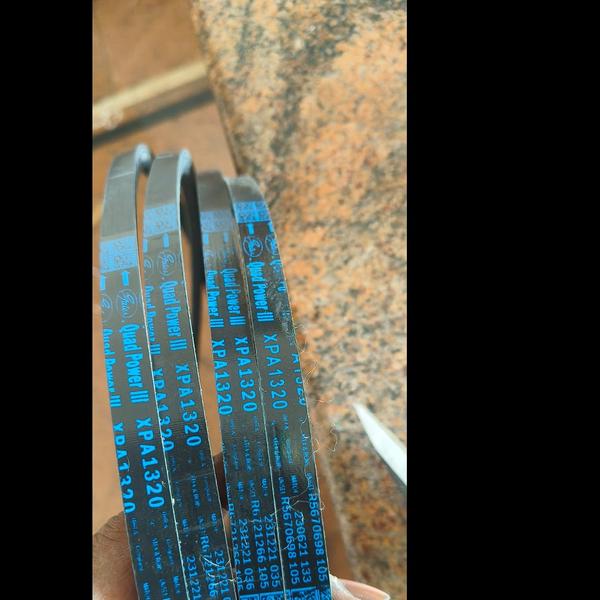
They have a trapezoidal cross-section and can fit into pulleys with matching
grooves.
Function: Typically used for power transmission in pumps, fans, and
compressors.
Slip: Can slip under big loads, which can be beneficial in some cases but may
diminish efficiency.
Installation: In general, they are easier to install and repair than timing
belts.
Durability: Slippage and friction can cause wear and tear to occur more
quickly.
Timing
Belts
Design:
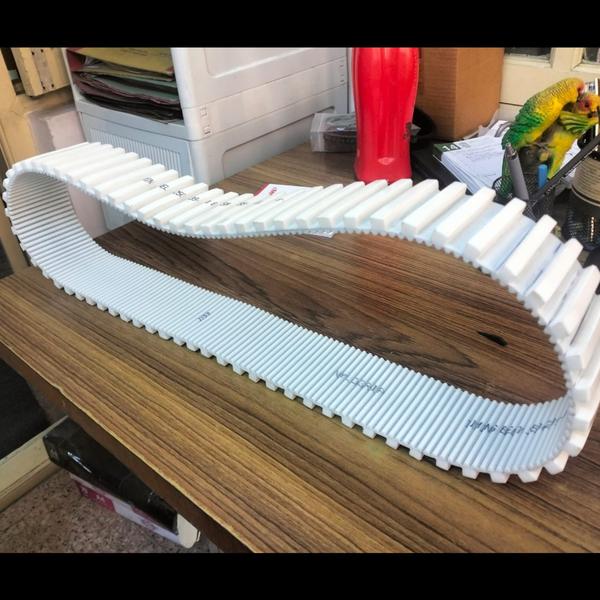
Teeth on the inside surface allow them to perfectly mesh with toothed pulleys.
Function: Used for synchronous motion, ensuring that engine components such as
camshafts and crankshafts move precisely in time.
No Slip: They do not slip, which is essential for keeping perfect timing in
applications such as automobile engines.
Installation: Often more difficult to complete because precise tensioning is
critical for operation.
Durability: More durable in terms of tension and synchronization over time.
Summary:
V-belts
are useful for general power transmission, although they can slip.
Timing belts are necessary for keeping exact timing in machines and engines,
but they require more complex installation.
The choice between the two is determined on the application and its
requirements.